
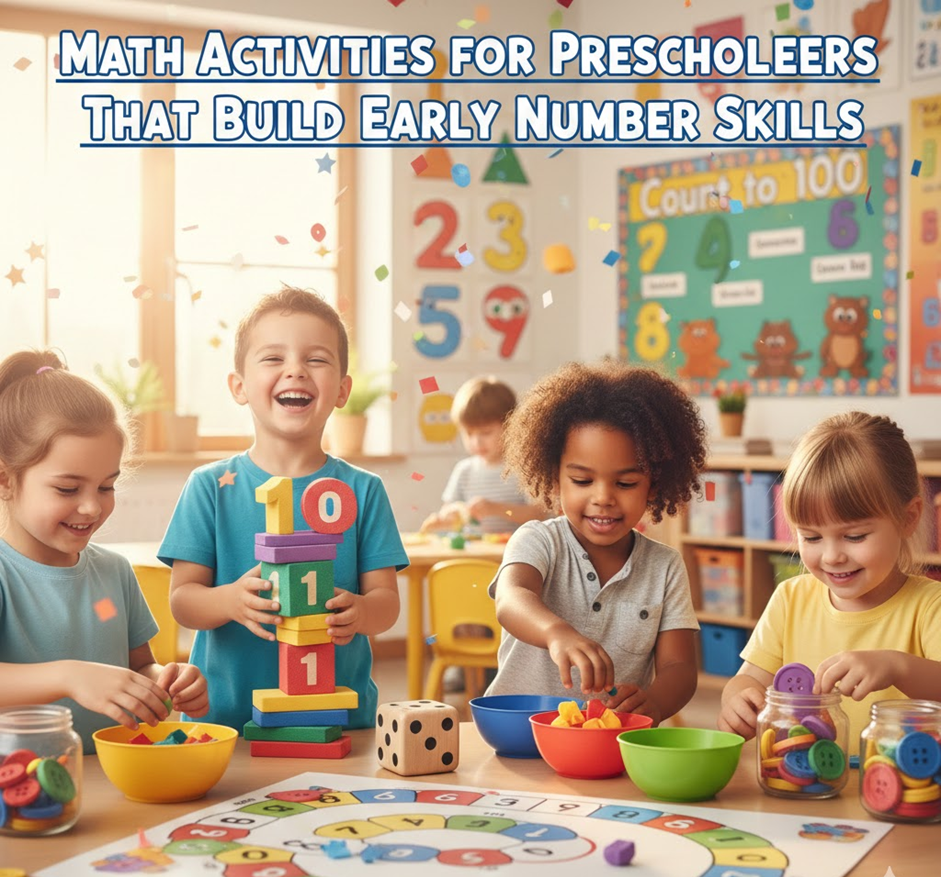
Math activities for preschoolers should be simple and fun. Many adults think math needs to be serious, but that approach doesn’t work well with young children. Preschoolers learn best when they feel relaxed and happy. In summer, this becomes even easier because kids naturally move more, explore more and play freely and that’s when real learning happens without any effort.
These activities are never about pressure or speed. Instead, they help children feel safe and comfortable with numbers. When math comes through joyful play, games, and everyday moments, it starts to feel friendly and normal. Over time, children stop feeling confused by it. The best way is short, repeated play using real objects, simple, stress-free and full of fun.
Understanding the Core: Developing Basic Math Skills in Early Childhood
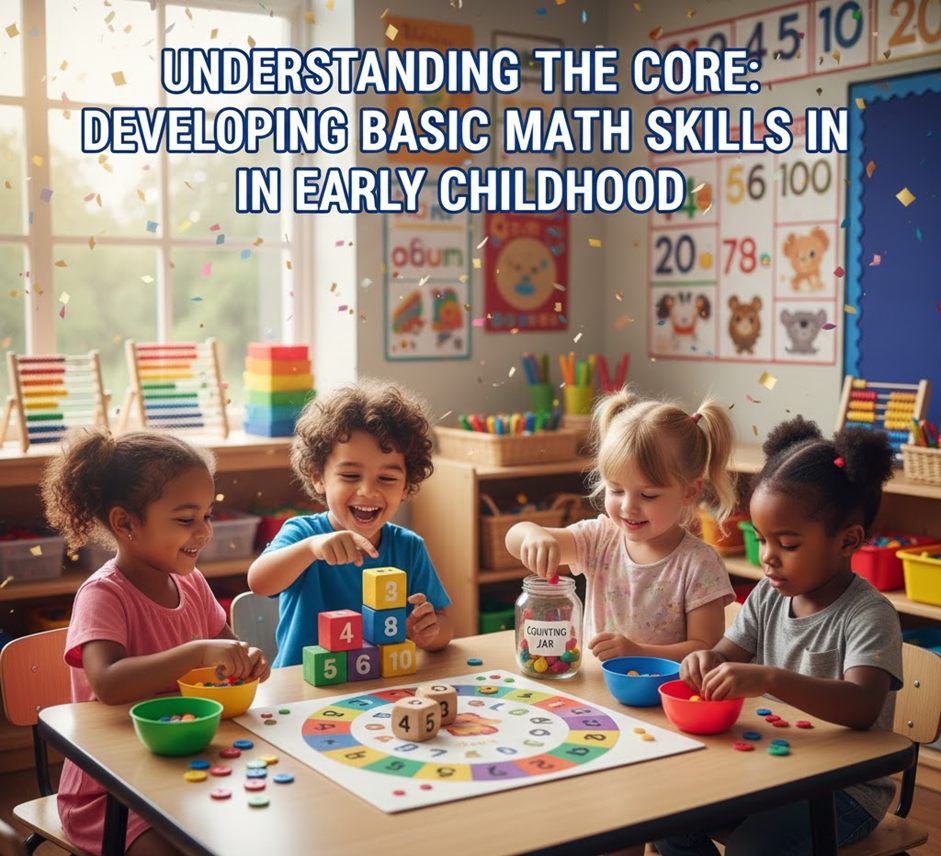
Math activities for preschoolers focus on simple ideas. These ideas include counting, shapes, patterns, and measuring. Children learn by doing. Because of this, preschool maths play works better than lessons.
Childrens maths games help children understand numbers. At the same time, activities in mathematics feel easier when using daily objects. Preschool learning activities connect words to actions. Also, learning respects short attention spans. Slowly, basic math skills grow through repeated play activities. Therefore, math activities for preschoolers should stay light and flexible.
Hands-On Counting and Number Sense: The Best Math Activities for Preschoolers
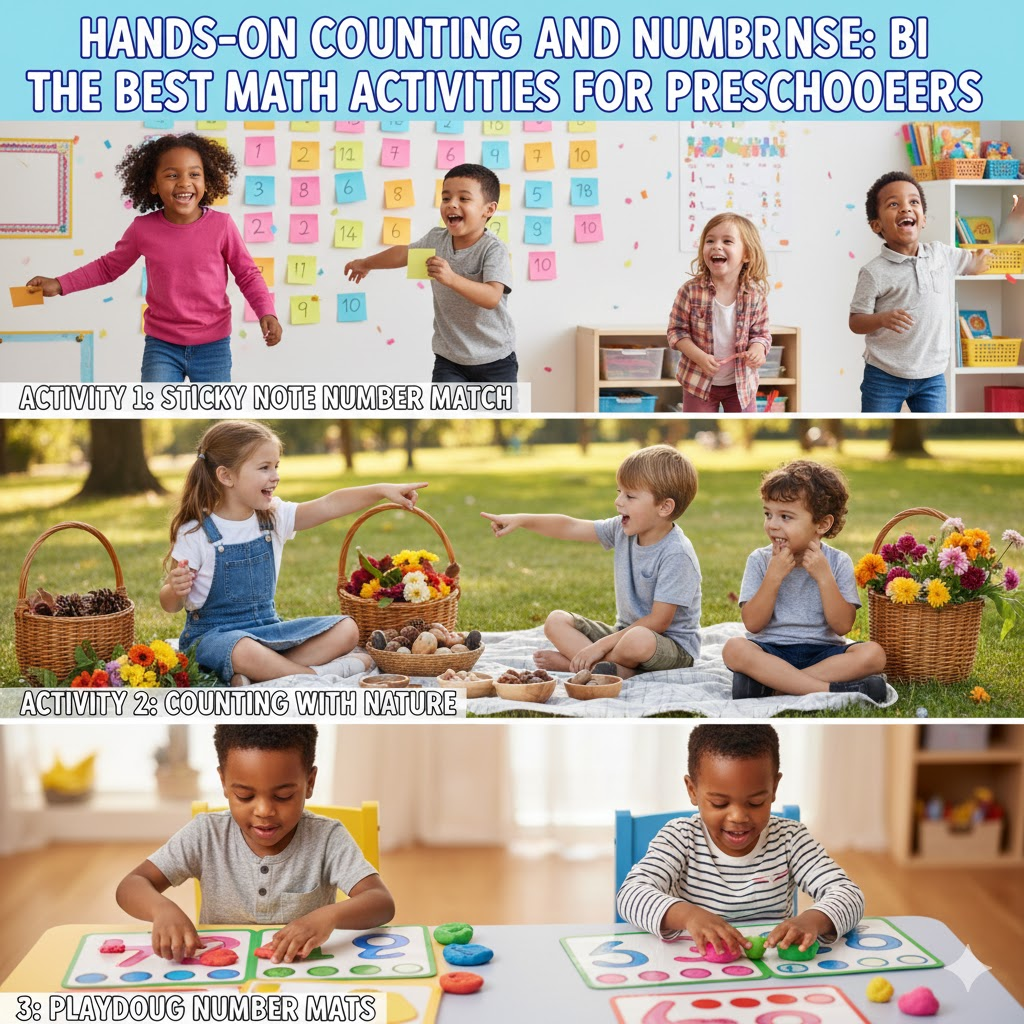
Activity 1: Sticky Note Number Match
This activity is very easy to start. First, you should write numbers on sticky notes and place them around the room. Children then match their toys to the numbers. Because children get to move around, math activities for preschoolers like this really hold their attention. As a result, these preschool educational activities feel active rather than boring.
When maths play feels exciting, children stay engaged. Childrens maths games also allow for mistakes, which helps activities in mathematics stay calm and low-pressure. In this environment, a true fun with mathematics grows naturally. These preschool learning activities support memory because kids learn by doing. Therefore, the learning works well and basic math skills grow quickly through these play activities.
Activity 2: Counting with Nature
Nature makes learning calm. Because of this, math activities for preschoolers work well outdoors. Children count stones or leaves. Childrens maths games feel real. At the same time, mix with nature. Because fun with mathematics includes collecting, interest stays high. improve focus. Therefore, earning connects math to life. Basic math skills grow through play activities.
Activity 3: Playdough Number Mats
Playdough is helpful for math activities for preschoolers. Hands stay busy. Because of this, preschool educational activities feel calm. Maths play becomes slow and steady. As a result, support creativity. Activities in mathematics feel safe. Appears while shaping numbers. Preschool learning activities improve memory. Therefore, learning suits many children. Basic math skills form through repeated play activities.
Shapes and Spatial Reasoning: Fun with Mathematics and Geometry
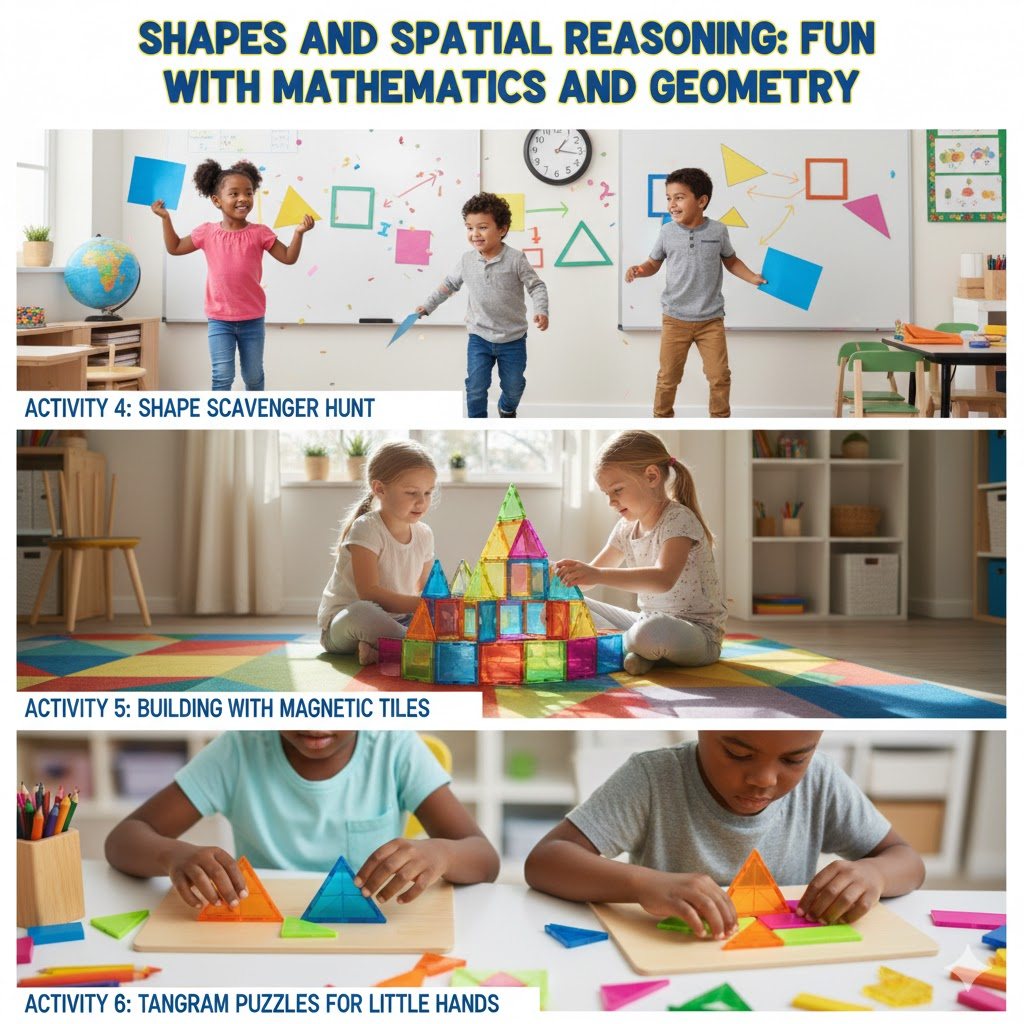
Activity 4: Shape Scavenger Hunt
Children love running around, searching for circles, squares, triangles, and rectangles in their world on plates, windows, wheels, doors and toys. Because they’re moving and exploring, these math activities feel like playful adventures, not lessons. Using real objects makes everything feel meaningful and real.
Maths play like this sharpens their sense of space and shapes naturally. Children’s maths games turn into fun treasure hunts. Learning goes way beyond paper and pencils; it happens everywhere!
As a result, their excitement and love for mathematics grow quickly. These flexible, joyful preschool activities build strong observation skills and basic math understanding all through simple, happy play.
Activity 5: Building with Magnetic Tiles
Children love stacking, connecting, and balancing pieces turning playtime into exciting maths adventures. While they build towers, bridges or houses, they naturally learn about size (big vs small), height, length and balance.
These children’s maths games also encourage teamwork when friends build together. Every creation involves early problem-solving: “Will this stay up? What happens if I add one more?” And the best part? If it falls, they can just rebuild so the fun stays positive and stress-free!
As a result, hands-on building keeps their attention focused and joyful. These open-ended preschool activities let creativity lead, helping basic math skills grow strong through simple, happy play.
Activity 6: Tangram Puzzles for Little Hands
These simple shape puzzles let children fit pieces together to make pictures like animals, houses, or boats all while keeping things easy and fun. Math activities for preschoolers stay light and stress-free, even with a little puzzle challenge.
Hands-on tangram play builds patience as children try, move, and try again. Every time a piece fits perfectly, they feel happy “I did it!” moment As a result, that success grows their confidence fast.
These preschool activities encourage independence children explore at their own pace, deciding which piece goes where, without anyone rushing them. Early years learning stays respectful of each child’s speed, letting them grow through calm, happy play.
Patterns and Sorting: Critical Preschool Learning Activities
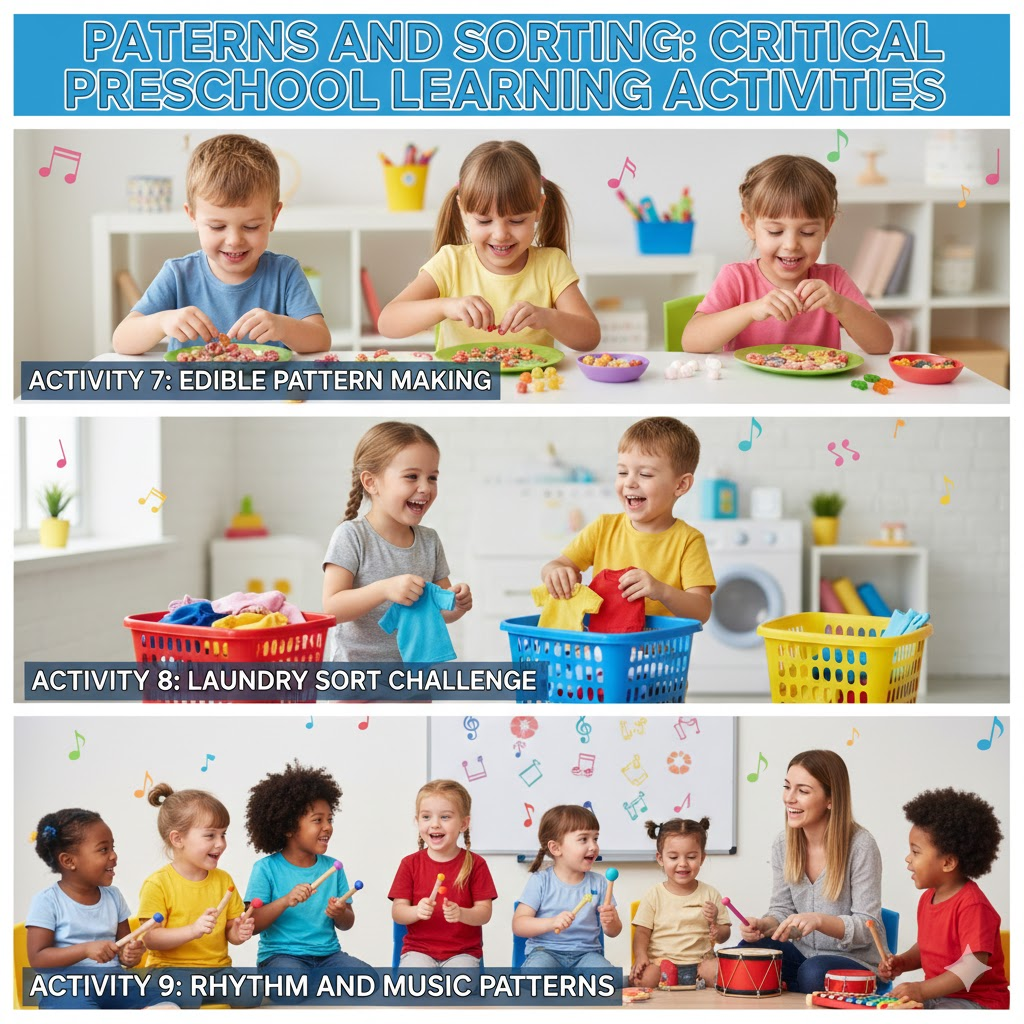
Activity 7: Edible Pattern Making
Children can line up their fruit slices, grapes or colorful cereal pieces counting how many, sorting by color (red strawberries, green grapes, yellow bananas) or even making simple patterns like red-yellow-red. Using bright colors keeps it super simple and fun, blending math right into daily life without feeling like a lesson.
Because they get to eat their creations afterward, the fun with mathematics grows even bigger. Every bite feels like a happy reward! These practical preschool activities become super memorable and meaningful.
Activity 8: Laundry Sort Challenge
Sorting clothes feels real and familiar. Because of this, math activities for preschoolers feel useful. Preschool educational activities linked to chores reduce stress. Also, maths play teaches grouping and sorting.. This turns work into fun. Activities in mathematics gain meaning. Therefore, fun with mathematics grows naturally. Therefore, preschool learning activities build independence. Activity for early years learning also builds confidence.
Activity 9: Rhythm and Music Patterns
Music supports math activities for preschoolers. At the same time, children clap or tap. Preschool educational activities using rhythm involve movement. At the same time, maths play mixes sound and action.Childrens maths games feel lively. Activities in mathematics connect to art. Because of repetition, fun with mathematics improves memory. Preschool learning activities support recall. Therefore, activity for early years learning feels joyful.
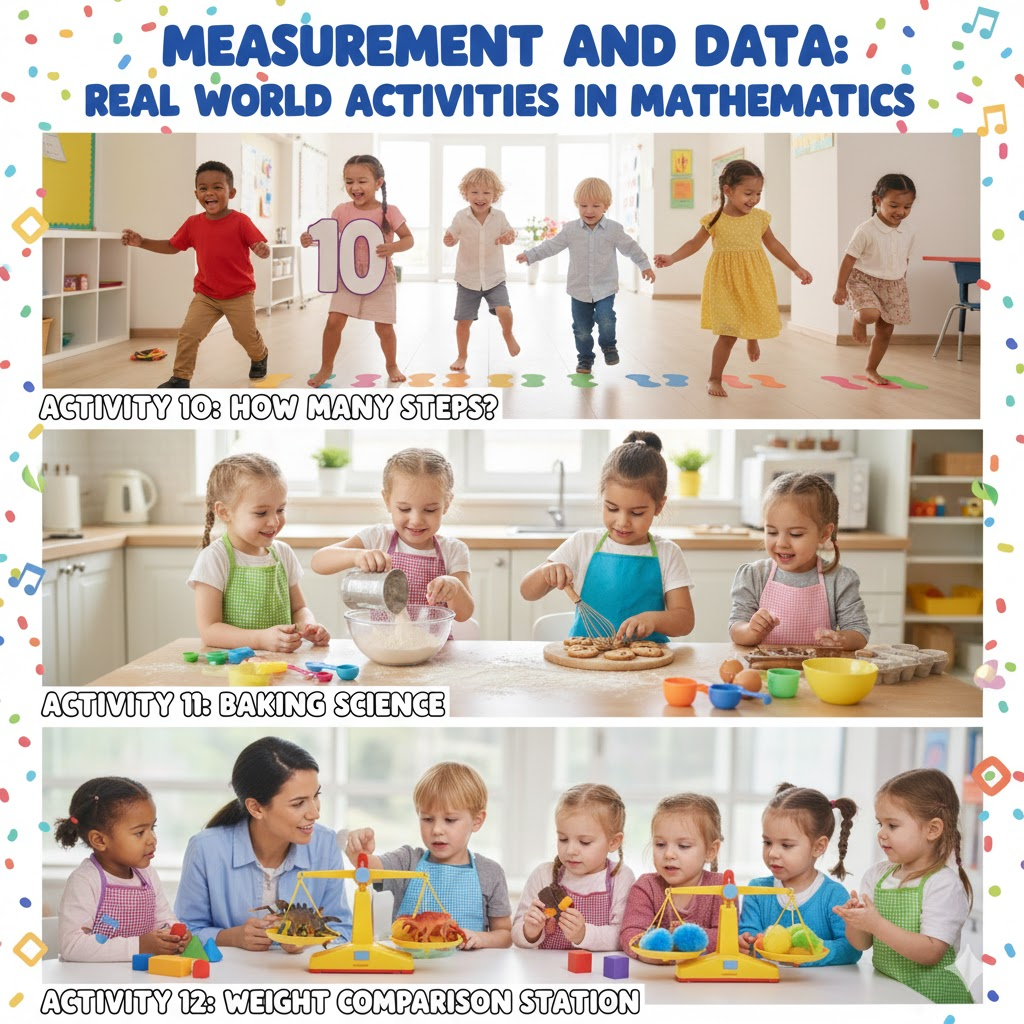
Measurement and Data: Real World Activities in Mathematics
Activity 10: How Many Steps?
Movement helps learning. Children count steps across a room. Therefore, math activities for preschoolers using steps work well. It connects numbers to the body. Therefore, childrens maths games feel like challenges.. Activities in mathematics relate to space. Because guessing is allowed, fun with mathematics grows. Preschool learning activities build curiosity. Because of this, activity for early years learning stays active.
Activity 11: Baking Science
Cooking supports math activities for preschoolers. Children pour and scoop. Preschool educational activities in the kitchen feel useful. Maths play teaches measuring. Activities in mathematics become real. Therefore, it grows through action. Preschool learning activities teach life skills. Activity for early years learning feels meaningful. Therefore, basic math skills grow through repetition.
Activity 12: Weight Comparison Station
Simple scales add value. Children compare objects. Preschool educational activities with weights build comparison skills.Childrens maths games involve testing. Therefore, activities in mathematics feel like discovery. As a result, fun with mathematics increases. Support curiosity. Activity for early years learning stays open. Therefore, basic math skills grow through play activities.
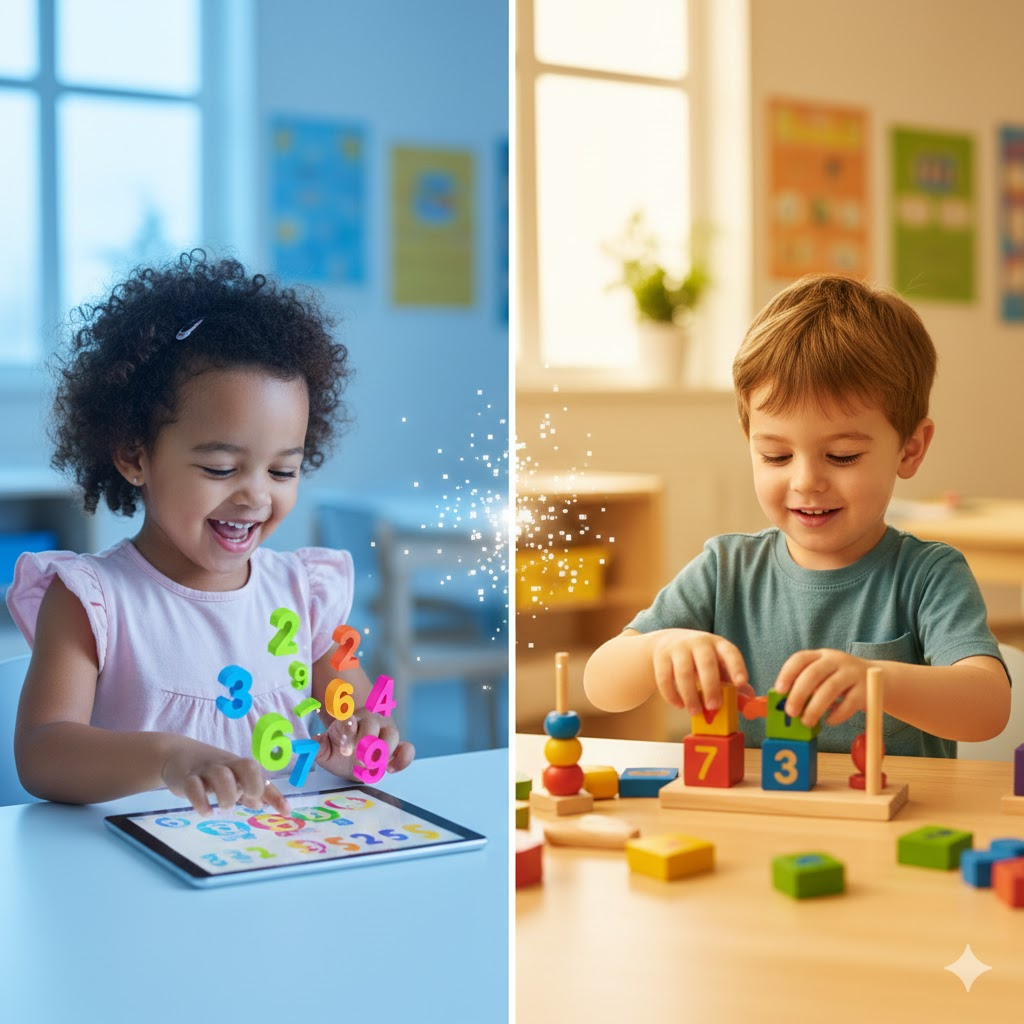
Digital vs Physical: Choosing the Right Childrens Maths Games
Digital math activities for preschoolers can help. However, preschool educational activities should stay mostly hands on. Maths play works best without screens. Childrens maths games online add variety only. Activities in mathematics need balance. Because physical play matters, it lasts longer. Preschool learning activities still need movement. Because of this, activity for early years learning needs interaction.
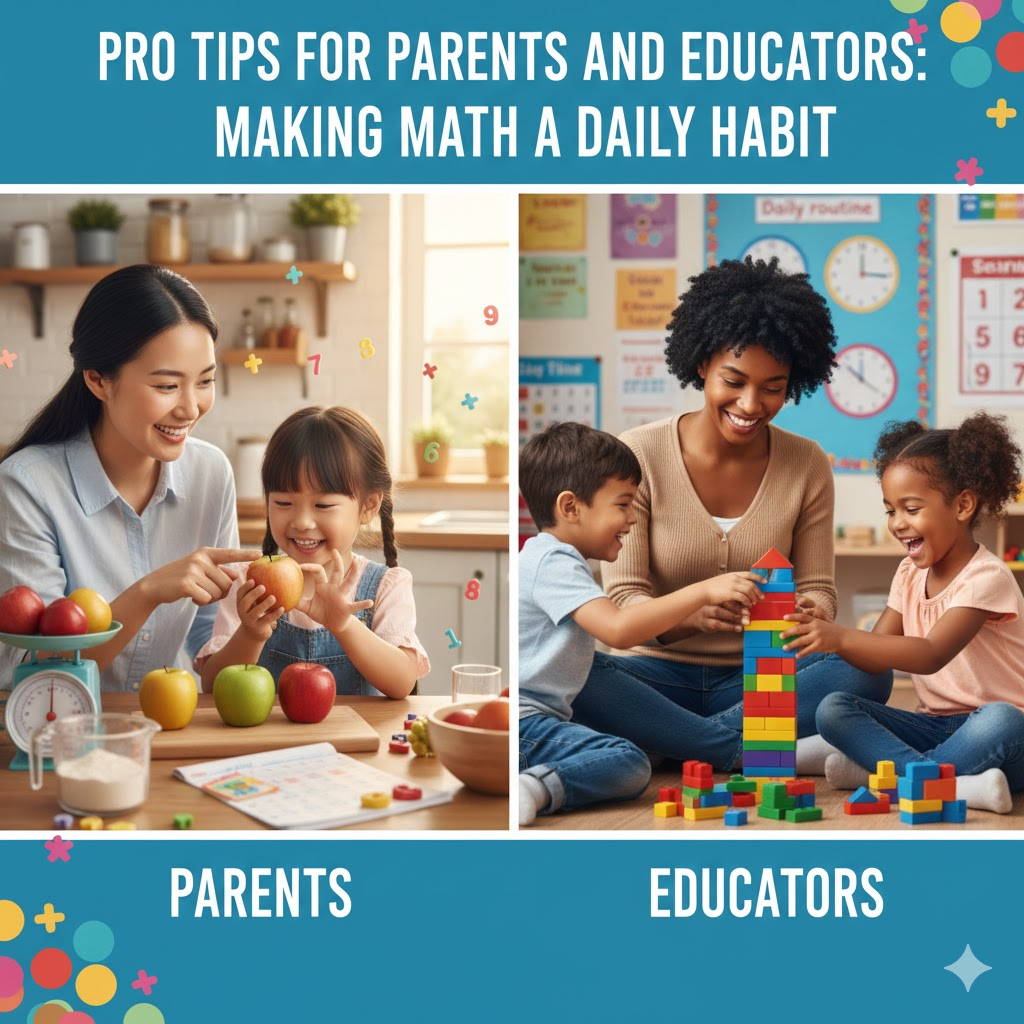
Pro Tips for Parents and Educators: Making Math a Daily Habit
The best math activities for preschoolers happen daily. For example, counting toys builds skills. Preschool educational activities do not need planning. Maths play fits routines. Childrens maths games appear while waiting. It happens everywhere. Therefore, fun with mathematics lowers fear. Preschool learning activities stay steady. Activity for early years learning feels easy.
Conclusion: The Long-Term Impact of Play-Based Learning
Daily math activities for preschoolers build confidence. Preschool educational activities based on maths play feel safe. Childrens maths games reduce fear. Activities in mathematics feel normal. Because fun with mathematics stays positive, learning feels easy. Stay friendly. Activity for early years learning builds a strong base. Basic math skills grow over time. Because of this, play activities remain the heart of math activities for preschoolers.
FAQ: Expert Answers on Preschool Learning Activities
Do I need expensive toys for math activities?
No. In fact, activities in mathematics work well with simple items.
How long should a math session last?
Short is best. In fact, five minutes of fun with mathematics is enough.
My child struggles with counting. What should I do?
Use play activities with one to one counting. Because of this, this helps basic math skills grow naturally.